Setting stricter and more binding targets on urban wastewater treatment and ambient air quality are crucial steps for the EU's zero-pollution ambition and will improve citizen's health and wellbeing.
The draft opinion on the Revision of the Urban Wastewater Treatment Directive underlines that the new framework must be risk-based, goal-oriented and flexible enough to account for local and regional differences within and among Member States. A one-size-fits-all approach could lead to disproportionate costs in relation to environmental benefits especially in small municipalities located in sparsely populated areas, particularly regarding the requirements on nitrogen removal. The opinion also stresses that the Extended Producer Responsibility scheme, control at source and the Polluter Pays Principle are prerequisites for the directive's success.
Rapporteur Åsa Ågren Wikström (SE/EPP), Member of Västerbotten County Council, said: "It is necessary to adapt the wastewater treatment legislation to today's challenges and technical possibilities. All of us want to have clean drinking water, clean lakes and seas. Wastewater is treated at local level and the impacts are also felt locally, so the implementation of the directive must be adapted to local conditions. There needs to be room for different ways to reach the targets, as well as clear, ambitious and realistic timeframes. Also, pollution needs to be addressed at source over end-of-pipe solutions. This is a prerequisite for the success of the Zero Pollution Action Plan."
Appointment of the CoR delegation to COP28
An official delegation of CoR members will represent the voice of EU cities and regions at the 2023 UN Climate Change Conference COP28, which will be organised in Dubai between 30 November and 12 December. The following members will advocate for an ambitious outcome of the negotiations:
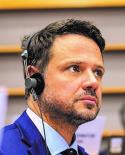
ENVE Chair, Rafał Trzaskowski (PL/EPP), President of the Capital City of Warsaw, who is currently preparing an opinion entitled UNFCCC COP28: the role of subnational authorities in keeping climate ambition on track, said: "At a time when national governments are failing to accelerate mitigation action, we subnational governments are working tirelessly for climate neutrality. And we are doing so despite facing an energy and refugee crisis, and the increasing burden of more responsibilities being passed on to us. This year we will continue to advocate for a more meaningful inclusion of subnational governments in the negotiations. Because whatever is decided at the COP will then be translated into action on the ground, in key sectors over which we have significant control, such as transport, buildings and land use. Cities and regions must sit in the negotiation table, otherwise the goals of the Paris Agreement will not be met. As in previous COPs, we will advocate for more ambitious Nationally Determined Contributions that take into account the commitments and achievements of cities and regions. And we will also push for direct access to climate finance and improved capacity building and training in the use of existing financial instruments."